Blind Test: Om System Om 5 Ii vs Fujifilm X T30 Iii - Which Is Actually Better?
In the rapidly evolving world of mirrorless photography, two specific philosophies often clash: the pursuit of pure sensor size and resolution versus the quest for portability and specialized features. The mid-range enthusiast market is currently dominated by two powerhouse successors that represent these diverging paths. On one hand, we have the OM System OM-5 II, the rugged, Micro Four Thirds adventurer designed for those who treat the outdoors as their primary studio. On the other, the Fujifilm X-T30 III stands as the stylish, APS-C champion of color science and tactile retro charm. Choosing between them often feels like choosing between a specialized multi-tool and a precision paintbrush.
This article moves beyond the marketing brochures to look at how these cameras actually perform in the field. By treating this as a "blind test" of sorts, we evaluate these machines based on the image quality, handling, and functional reliability they provide when the brand name is stripped away. Whether you are a street photographer capturing the heartbeat of a city or a hiker documenting a sunrise on a damp ridge, the nuances of these two systems will dictate your photographic experience for years to come.
The Contenders: Defining the Systems
To understand the OM System OM-5 II and the Fujifilm X-T30 III, we must first look at the foundations they are built upon. The OM-5 II is the spiritual and technical evolution of the Olympus legacy, maintaining a Micro Four Thirds (MFT) sensor. This sensor size is exactly half the area of a full-frame sensor, which allows for exceptionally compact glass and industry-leading computational photography features. It is a camera built for the "go-anywhere" photographer who values durability above all else.
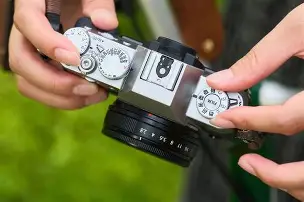
The Fujifilm X-T30 III utilizes an APS-C sensor, which is physically larger than the MFT sensor in the OM system. This inherently provides a slight advantage in shallow depth of field and high-ISO noise performance. Fujifilm has carved out a dedicated following through its Film Simulations—software profiles that recreate the look of classic analog film stocks—and its dedicated physical dials for shutter speed and exposure compensation. It is a camera that many photographers buy because it makes them want to take pictures, emphasizing the tactile joy of the craft.
Detailed Product Analysis: OM System OM-5 II
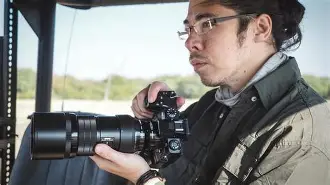
The OM System OM-5 II is a masterclass in efficiency. While some critics point to the Micro Four Thirds sensor as a limitation, the OM-5 II turns its size into its greatest strength. Because the sensor is smaller, the camera requires less power and physical space for its 5-axis In-Body Image Stabilization (IBIS) system. This results in stabilization performance that allows for multi-second handheld exposures—something that remains nearly impossible on larger systems without a tripod.
One of the standout features of the OM-5 II is its IP53-rated weather sealing. In this price bracket, most cameras offer "weather resistance," which is often a vague marketing term. The OM-5 II, however, is built to withstand direct splashes and freezing temperatures. For a landscape or wildlife photographer, this means the difference between packing up when the rain starts or continuing to capture unique, atmospheric shots that others miss. Furthermore, computational features like Live ND (which simulates long exposures without physical filters) and Handheld High Res Shot (which shifts the sensor to create 50MP files) make it a formidable tool for technical photography.
Pros of the OM System OM-5 II
- Unrivaled Portability: The total system weight, including lenses, is significantly lower than almost any APS-C or full-frame equivalent, making it ideal for long-distance travel and hiking.
- Industry-Leading Stabilization: Handholding a one-second exposure is a reality, reducing the need for heavy tripods in low-light environments.
- Pro-Grade Weather Sealing: The IP53 rating provides genuine peace of mind in harsh environments like rainforests, deserts, or snowy peaks.
- Computational Power: Features like Pro Capture (which records frames before you fully press the shutter) ensure you never miss a fleeting moment of action.
- Lens Ecosystem: The MFT mount is one of the most mature in the industry, offering a massive range of high-quality glass from OM System, Panasonic, and Leica.
Cons of the OM System OM-5 II
- Small Sensor Limitations: While excellent, the MFT sensor cannot match the raw dynamic range or low-light ISO performance of larger APS-C sensors.
- Menu Complexity: The deep customization options can lead to a steep learning curve for beginners navigating the dense menu system.
- EVF Resolution: Compared to some competitors, the electronic viewfinder can feel slightly dated in terms of refresh rate and total dot count.
Detailed Product Analysis: Fujifilm X-T30 III
The Fujifilm X-T30 III is often referred to as the "Little Giant." It packs much of the hardware from Fujifilm’s flagship X-T5 into a body that fits in a jacket pocket. The heart of the camera is the X-Trans CMOS sensor, known for its unique color filter array that minimizes moiré and produces images with a distinctively "organic" feel. For many users, the primary draw of the X-T30 III is the "out-of-camera" JPEG quality. Many Fujifilm shooters find they spend significantly less time editing RAW files because the Film Simulations (like Reala Ace, Classic Chrome, and Acros) provide a finished look immediately.
The X-T30 III excels in urban environments and portraiture. The larger APS-C sensor makes it easier to achieve "bokeh" or background blur, especially when paired with Fujifilm’s legendary fast prime lenses. The autofocus system has seen significant upgrades in this third iteration, featuring advanced subject tracking for humans, animals, and vehicles. While it lacks the extreme ruggedness of the OM-5 II, its metal-alloy build feels premium and substantial. It is a camera designed for the aesthetic-conscious creator who values both the look of the tool and the beauty of the output.
Pros of the Fujifilm X-T30 III
- Superior Image Quality: The APS-C X-Trans sensor provides more detail, better dynamic range, and cleaner high-ISO files compared to MFT alternatives.
- Film Simulations: These color profiles are not just filters; they are sophisticated color-science transformations that produce professional-grade aesthetics instantly.
- Tactile Control Layout: Physical dials for exposure settings encourage a more manual, intentional approach to photography.
- Compact Prime Lens Selection: Fujifilm’s "Fujicron" f/2 primes are a perfect match for this body, offering a balance of size and optical excellence.
- High-Resolution Video: The X-T30 III offers robust video specs, including 10-bit internal recording and excellent face/eye detection for vloggers.
Cons of the Fujifilm X-T30 III
- Lack of Weather Sealing: Unlike its rival, the X-T30 III is not rated for heavy moisture or dust, limiting its use in extreme outdoor conditions.
- Ergonomics for Large Hands: The small, flat grip can be uncomfortable during long shooting sessions without an optional external handgrip.
- Single SD Card Slot: Similar to many mid-range cameras, it lacks the redundancy of dual slots favored by professional event photographers.
Head-to-Head Comparison
When comparing these two cameras, it is essential to look at the specifications that impact daily usage. While a spec sheet doesn’t tell the whole story, it provides the framework for understanding where each camera focuses its engineering efforts. The OM-5 II is geared toward stability and survival, while the X-T30 III is geared toward sensor performance and user interface elegance.
Discover deals on Cameras & Photography — updated daily.
Shop Amazon →| Feature | OM System OM-5 II | Fujifilm X-T30 III |
|---|---|---|
| Sensor Type | Micro Four Thirds (20.4 MP) | APS-C X-Trans (26.1 / 40 MP variants) |
| Image Stabilization | Up to 7.5 Stops (IBIS) | Typically OIS (Lens-based) or limited IBIS |
| Weather Sealing | IP53 Certified (Dust/Splasph-proof) | None / Basic Moisture Resistance |
| Autofocus | Cross-type Phase Detection (121 points) | Intelligent Hybrid AF (425 points) |
| Video Capability | 4K 30p / C4K 24p | 4K 60p (crop) / 4K 30p (no crop) |
| Dimensions | 125.3 x 85.2 x 49.7 mm | 118.4 x 82.8 x 41.4 mm |
| Weight (Body Only) | Approx. 366g | Approx. 333g |
Image Quality and Sensor Performance
In a blind test of image quality, the Fujifilm X-T30 III tends to win on raw resolution and noise control. If you frequently shoot in dimly lit interiors or enjoy printing your photos in large formats (wider than 24 inches), the APS-C sensor provides a noticeable safety net. The X-Trans sensor’s lack of an optical low-pass filter allows it to capture incredibly fine detail in textures like fabric or distant foliage.
However, the OM System OM-5 II counters with its Handheld High Res Shot mode. By capturing and merging multiple images, it can produce a 50MP file that rivals full-frame cameras for static subjects like landscapes or architecture. While this doesn't help with moving subjects, it makes the "small sensor" argument moot for many types of photography. Furthermore, the OM-5 II’s color rendering is often described as "natural" and "true to life," which some photographers prefer over the more stylized look of Fujifilm’s simulations.
Real-World Use Cases: Which is for You?
Choosing between these two cameras often comes down to where you take your photos. A camera that is perfect for a coffee shop in Paris might be a liability on a trekking expedition in the Andes.
The Travel Photographer
For the traveler who explores cities, visits museums, and enjoys "street photography," the Fujifilm X-T30 III is the clear favorite. Its inconspicuous profile and "retro" look make it less intimidating to subjects. The ability to send high-quality, Film Simulation JPEGs directly to a smartphone for social media sharing is a seamless workflow that fits the modern traveler's lifestyle.
The Wilderness Explorer
If your photography involves exposure to the elements—kayaking, skiing, or long-distance hiking—the OM System OM-5 II is vastly superior. The IP53 rating means you don’t have to hide the camera at the first sign of drizzle. Moreover, the weight savings of MFT telephoto lenses are transformative. A 300mm lens on an OM-5 II gives you the reach of a 600mm full-frame lens but can still fit into a small side pocket of a backpack.
The Macro Specialist
Macro photography is an area where the OM System truly shines. The MFT sensor inherently provides a deeper depth of field at the same aperture compared to APS-C, which is a major advantage when photographing tiny insects or flowers. The OM-5 II also includes built-in Focus Stacking, a feature that automatically merges multiple shots with different focus points into one sharp image—a task that requires significant manual effort on the Fujifilm.
Handling and Ergonomics
The OM-5 II features a more traditional DSLR-style grip. Even though the body is small, the grip is deep enough to provide a secure hold with mid-sized zoom lenses. Its fully articulating "flippy" screen is a favorite for videographers and those who shoot at awkward high or low angles. The build quality involves high-quality plastics and metal reinforcements, making it feel like a "tough" tool rather than a delicate electronic device.
The Fujifilm X-T30 III prioritize style and compactness. It is thinner than the OM system, making it more "pocketable" with a pancake lens. The tilting screen is preferred by street photographers who like to shoot from the hip, as it stays in line with the lens axis. The physical dials for shutter speed and exposure compensation provide a "Zen" like shooting experience where you don’t have to look at a digital screen to know your settings. However, the lack of a substantial grip can be tiring if you plan to use larger, professional-grade zoom lenses.
Shop the latest Cameras & Photography picks on Amazon.
Shop Amazon →Buying Guide: Making the Final Decision
Before making your purchase, consider the following three factors that will define your satisfaction with either system:
1. The "Total System" Weight: Don't just look at the weight of the camera body. Look at the lenses you plan to buy. If you need a long zoom (e.g., 70-300mm), the version for the OM System will be significantly smaller and lighter than the version for the Fujifilm. Conversely, if you only plan to use a 35mm equivalent prime lens, the size difference is negligible.
2. Video vs. Stills: While both are "hybrid" cameras, the Fujifilm X-T30 III offers slightly better video specifications for those interested in cinematic production, including better 4K frame rates and more sophisticated color grading profiles (F-Log). The OM-5 II is better for the handheld vlogger who moves around a lot, thanks to its superior stabilization which mimics a motorized gimbal.
3. The Editing Workflow: Are you a "RAW" shooter who enjoys spending hours in Lightroom or Capture One? If so, the Fujifilm sensor gives you more "data" to work with. Do you prefer to get the shot right in the camera and avoid the computer? In that case, both cameras offer great JPEGs, but Fujifilm’s simulations are generally considered the gold standard for creative presets.
Conclusion
In our blind test comparison, it becomes clear that there is no objective "best" camera between the OM System OM-5 II and the Fujifilm X-T30 III. Instead, there is the right tool for the specific job. The OM-5 II is a masterpiece of engineering for the rugged individualist. It is a camera that removes the barriers of weather and weight, allowing you to capture images in places where other cameras would fail. Its stabilization and computational features make it a versatile powerhouse for those who value the journey as much as the destination.
The Fujifilm X-T30 III is a testament to the soul of photography. It prioritizes the sensory experience—the click of a dial, the specific hue of a film stock, and the raw performance of a larger sensor. It is the better choice for the artist who works in controlled environments or urban settings, and for those who want their images to have a specific, classic character without an arduous editing process.
Ultimately, the "better" camera is the one that stays in your hand rather than in your bag. If you need a camera that can survive a storm and stabilize a long shot on a mountain peak, choose the OM System OM-5 II. If you want a camera that inspires you to see the world through the lens of classic cinema and provides the highest possible image quality in a compact form, choose the Fujifilm X-T30 III. Both are exceptional examples of modern technology, and both are capable of producing world-class imagery in the right hands.