The Truth About the Px701 4K: Pros, Cons, and Verdict
Introduction
The Px701 4K arrives into a crowded field of home theater and living-room projectors promising cinematic resolution and immersive experiences. For buyers weighing costs, capabilities, and the realities of setting up a projector at home, it's easy to get lost in marketing terms like "4K," "HDR," and "ultra-bright." This article provides a clear, evidence-based editorial look at the Px701 4K, focusing on real-world use cases, what typical buyers care about, and how the model performs across the dimensions that matter most: image quality, installation, connectivity, gaming performance, and long-term ownership. The goal is to help readers decide whether the Px701 4K suits their needs without relying on hype or unverifiable claims.
Product Overview
The Px701 4K is presented as a 4K-capable projector intended for home entertainment. In this class of devices, "4K" often refers to native 4K panels or to high-resolution output achieved through pixel-shifting techniques. Buyers should consider what kind of 4K implementation the Px701 uses, because that affects perceived sharpness, motion handling, and price. The Px701 is aimed at living-room setups and dedicated home theaters where a larger projected image and immersive sound are priorities.
Target audience and typical use cases
- Home theater enthusiasts seeking a big-screen experience for movies and streaming services in a dim or controllable-light environment.
- Gamers who want large-screen gaming and will prioritize low input lag and clear motion handling.
- Casual viewers who want to transform a living room into a shared viewing space for sports and series.
- Small event hosts or educators needing a portable 4K-capable projector for presentations where image size matters.
Detailed Review & Analysis
Image quality and resolution
Resolution is the first thing buyers notice. The Px701 4K is marketed in the 4K segment, and users can expect a detailed image compared with 1080p projectors, particularly on larger screens. However, resolution alone does not determine perceived picture quality. Contrast, color accuracy, and optics have equal or greater influence. In practice, for movie lovers watching cinematic content in darkened rooms, the Px701’s 4K capability should produce a satisfying amount of detail—especially for scenes with fine textures, subtitles, and HUD elements in games. For daytime viewing or rooms with significant ambient light, the improvement from 1080p to 4K is still visible, but brightness and screen gain become limiting factors.
Brightness and contrast
Brightness and contrast ratio determine how well a projector handles ambient light and how punchy the image looks. Buyers often want a model that can produce deep blacks for dark scenes and enough brightness for daytime or living-room use. The Px701 sits in the category where balance is key: it aims to offer sufficient brightness for controlled environments and respectable contrast to give depth to movies and games. Those who plan to use the projector in rooms with lots of natural light should test in-person or confirm the model’s brightness rating before purchase, because measurements and subjective impressions can differ.
HDR performance
High Dynamic Range (HDR) enhances contrast and color range when well implemented, but HDR on projectors can be a mixed bag. The Px701 supports common HDR formats in its class, improving highlight detail on compatible content. Projectors typically struggle to match the contrast of OLED TVs, so HDR highlights will be noticeable but not as intense as on high-end TVs. If HDR performance for cinema-grade visuals is a primary requirement, pairing the Px701 with an appropriate screen and viewing environment will yield the best results.
Optics, lens shift, and throw distance
Lens quality, zoom range, and lens-shift capability define installation flexibility. Many buyers living in apartments or smaller rooms want a projector that can achieve a large image without complicated mounting. The Px701 offers practical installation features typical of home projectors—moderate zoom, manual or motorized lens adjustments, and an expected throw distance that suits living-room setups. For those with short-throw constraints or who require ultra-short-throw placement, a different model designed specifically for that use case will be necessary. Measuring room dimensions, ceiling height, and seating placement against the Px701’s throw specifications is critical before committing.
Connectivity and smart features
Modern buyers expect rich connectivity: multiple HDMI inputs, USB, wireless casting, and smart-platform integrations for streaming apps. The Px701 supports standard input options and includes network and wireless capabilities common in its segment. Smart features simplify streaming and reduce the need for external devices, but some users prefer a dedicated streaming player or console for advanced apps and timely updates. Buyers should verify which smart platform the Px701 uses and whether app availability matches their streaming habits.
Find top-rated Electronics products at great prices.
View Offers →Audio
Built-in speakers are convenient, but internal audio rarely matches a separate soundbar or AV receiver. The Px701’s onboard sound is sufficient for casual viewing and small rooms, but for true home theater immersion, pairing it with a dedicated audio system is advisable. Many buyers use the projector’s audio for quick setups and run a 2.1 or 5.1 system for movie nights. Check the projector’s audio outputs and support for audio passthrough if integration with a more advanced system is planned.
Gaming and input lag
Gamers look for low input lag, high refresh rates, and clear motion handling. The Px701 is positioned for general entertainment and accommodates gaming well enough for most users. Competitive gamers with fast-paced titles will want to confirm the projector’s measured input lag and whether a dedicated "Game" mode is available to minimize processing. Motion interpolation and response optimization can improve perceived smoothness but sometimes introduce artifacts, so the best balance depends on the game type and individual sensitivity to lag and motion processing.
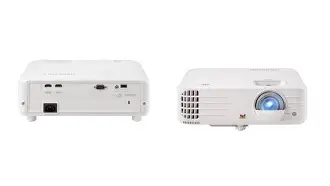
Noise and thermal management
Projector fan noise can be distracting during quiet scenes. The Px701 balances cooling with acoustic performance, and in typical viewing conditions the noise level should be acceptable for living-room use. Buyers planning to install the projector in small, silent home theaters may want to compare manufacturer noise ratings or listen to a demo unit, since perceived noise differs between models and installation contexts.
Maintenance and longevity
Lamp life, filter maintenance, and firmware support affect total cost of ownership. Many modern 4K projectors use long-life light engines (LED or laser) that reduce ongoing maintenance compared with traditional lamp-based models. If long-term reliability and low maintenance are priorities—such as in a rental property or a frequently used family room—buyers should check whether the Px701 uses an LED, laser, or lamp light source, and verify expected operating hours and warranty coverage.
Real-world Use Cases
The Px701 4K performs well in several practical settings:
- Dedicated home theaters: In a darkened room with a fixed screen, the Px701’s 4K resolution and contrast capabilities deliver a cinematic experience for films and series.
- Living-room family viewing: With moderate ambient light control, it enables movie nights and sports viewing at a much larger scale than a TV.
- Gaming nights: Casual and cooperative gaming on a large projected image is engaging; competitive players should check input lag figures.
- Portable presentations and events: For users who need occasional large-screen projection, the Px701 provides a balance of image quality and portability—assuming throw distance and setup fit the venue.
Pros & Cons
- Pros
- 4K-capable image that improves perceived detail on large screens
- Good balance between image quality and price for mid-range home projection
- Flexible connectivity and smart features for streaming without additional devices
- Suitable for movie nights and casual gaming with immersive scale
- Reasonable installation options with typical lens and zoom adjustments
- Cons
- Performance sensitive to room lighting and screen choice—best in dim environments
- Built-in audio is convenient but not a replacement for a dedicated sound system
- May not be the best fit for dedicated competitive gamers without verified low input lag
- Installation flexibility depends on throw ratio; may require ceiling mounting or a specific screen placement
- HDR and contrast cannot match high-end OLED or premium projectors in absolute black levels
How the Px701 4K Compares
The following table compares the Px701 4K to representative models in the broader 4K projector space. The comparison focuses on buyer-relevant attributes rather than precise specs, because installation environment and personal priorities shape the real-world experience.
| Model | Target Use | Image Strength | Installation Flexibility | Gaming Suitability | Value for Money |
|---|---|---|---|---|---|
| Px701 4K | Home theater / living room | Strong 4K detail in controlled light | Moderate (standard throw & lens options) | Good for casual gaming; competitive players may want lower input lag | Good balance of features to cost |
| Entry 4K competitor | Budget home theater | Competitive on resolution, less on color/contrast | Limited (fewer lens features) | Reasonable for casual play | High value on a budget |
| Premium home-theater model | Dedicated home cinema | Superior contrast and color fidelity | High (lens shift, motorized zoom) | Excellent with low lag and higher refresh | Higher upfront cost, aimed at enthusiasts |
Buying Guide: What to Check Before Buying a Px701 4K
Projectors deliver very different experiences depending on how they are used. Before choosing the Px701 4K, consider the following checklist to ensure it matches expectations:
Looking for the best Electronics deals on Amazon?
Shop Amazon →1. Room and screen considerations
- Measure the room and determine the ideal screen size and seating distance. Projectors magnify both strengths and weaknesses—so a larger screen demands better source material and ambient-light control.
- Decide between a fixed-frame screen (best for home theaters) or a portable/ceiling-mounted setup for living rooms.
- Consider screen gain and ambient-light-rejecting materials if using the projector in a brighter room.
2. Light source and maintenance
- Confirm whether the Px701 uses LED, laser, or lamp technology. LED and laser often provide longer life and lower maintenance.
- Check manufacturer-stated lifespans and the cost/availability of replacement lamps or servicing if applicable.
3. Connectivity and ecosystem
- Verify the number and type of HDMI ports, whether any support HDMI 2.1 features for higher frame rates, and if there are legacy inputs for older equipment.
- Evaluate built-in smart platforms versus using an external streaming device for app availability and update cadence.
4. Sound needs
- Decide whether the projector’s internal speakers are sufficient or whether a soundbar, AVR, or surround system is required.
- Check for ARC/eARC support and audio output options for seamless integration.
5. Gaming requirements
- If gaming is a priority, request or look up measured input lag numbers and confirm a "Game" mode that minimizes processing delays.
- Consider support for variable refresh rate or higher frame-rate passthrough if using next-generation consoles or gaming PCs.
6. Installation logistics
- Measure throw distance and confirm mounting options. Lens shift and zoom range reduce the need for precision installation.
- Account for cable runs, ventilation, and access for maintenance when deciding on ceiling versus shelf placement.
7. Budget and long-term value
- Look beyond the sticker price: factor in screen cost, audio upgrades, mounting hardware, and potential replacement lamps or service contracts.
- Evaluate warranty coverage and manufacturer support—especially for light sources and electronics.
Common Buyer Questions and Practical Advice
Buyers often ask whether a projector like the Px701 4K can replace a TV and what compromises are involved. The answer depends on priorities. A projector delivers a much larger image for a lower per-inch cost than large TVs, which is compelling for movie nights and group viewing. However, TVs generally outperform projectors in bright rooms, offer superior HDR performance in many cases, and require less complicated installation.
For those considering the Px701, practical steps to reduce buyer’s remorse include:
- Viewing a demo unit in person to assess brightness, color, and noise.
- Testing with the same content and source device that will be used at home (streaming vs. physical media vs. game console).
- Confirming return policies and warranty support in case the fit for the intended space is off.
Conclusion
The Px701 4K is a compelling option for buyers seeking a mid-range 4K projection solution that balances detail, connectivity, and practical installation features. It performs best in controlled-light environments—dedicated or semi-dedicated home theaters and living rooms where ambient light can be managed. Strengths include its 4K-capable image and feature set geared toward streaming and casual gaming, while limitations center on the usual projector trade-offs: dependence on room light, audio that benefits from upgrades, and installation constraints determined by throw distance.
Ultimately, whether the Px701 4K is the right choice comes down to the buyer’s use case. For movie lovers and families wanting a big-screen experience without the premium cost of high-end home-theater projectors, it represents solid value. Competitive gamers or buyers requiring the absolute best HDR and black levels might prefer models at the higher end of the market. Prospective buyers should verify specific technical details—such as the type of 4K implementation, measured input lag, and brightness ratings—and, if possible, audition the unit in a room similar to the one it will be used in.
When matched to the right environment and paired with a suitable screen and audio system, the Px701 4K can transform viewing into a cinematic event, offering one of the most impactful upgrades to a home entertainment setup: scale. The key is matching expectations to real-world performance and planning the installation to match the projector’s strengths.